

Understanding Epigenetics: Rewriting Your Health Destiny
For most of human history, people believed their health was predetermined by their genes. If your parents had heart disease, you would too. If your grandparents aged poorly, you assumed the same path awaited for you. But modern biology has radically shifted this narrative.
Your genes are the blueprint—but epigenetics determines what gets built. Epigenetics is the biological system that interprets your environment, lifestyle, nutrition, sleep, stress, and toxic exposures and uses those signals to turn genes on or off. This means your daily choices don’t just influence how you feel—they influence how your genes behave.
At ZeroToxins, this matters because everyday exposures—many of them avoidable—don’t just irritate the body. They alter gene signaling, sometimes for years. Understanding epigenetics allows you to reclaim control over your health, resilience, and aging trajectory.
Key Considerations:
What Is Epigenetics? The Power to Recode Your Life
Epigenetics is the study of how your environment influences gene activity. It does not change your DNA sequence. Instead, it affects:
-
Which genes turn on
-
Which genes stay off
-
How strongly genes are expressed
-
How tissues respond to environmental signals
Your DNA is stable, but your epigenome—the chemical markers that regulate gene behavior—is dynamic and responsive.
Key Epigenetic Mechanisms
DNA Methylation
Chemical tags attach to DNA, functioning like dimmer switches.
Histone Modification
DNA wraps around histones; chemical changes adjust gene accessibility.
Chromatin Remodeling
DNA can be tightly wound (“off”) or open (“on”).
Non-coding RNAs
These regulate gene activation across tissues.
A helpful analogy:
-
Genetics = blueprint
-
Epigenetics = instructions telling cells which parts of the blueprint to follow
This explains why identical twins, despite sharing the same DNA, often age differently or develop different health conditions—they experience different epigenetic influences.
Why Epigenetics Matters for Longevity and Aging?
Aging is no longer simply the passage of time. It is shaped by biological aging, which is heavily influenced by epigenetics.
Chronological Age
The number of years you have lived.
Biological Age
How old your cells actually act—based on gene activity, inflammation, metabolism, and repair capacity.
A person can be 50 chronologically but 35 biologically—or vice versa.
Epigenetics plays a major role in setting biological age
Your biological age reflects:
-
Oxidative stress
-
Inflammation
-
Detoxification efficiency
-
Mitochondrial function
-
Hormone regulation
-
DNA repair capacity
-
Metabolic resilience
These systems are governed by epigenetic signaling.
Pace of Aging & DunedinPACE: The Gold Standard Biomarker
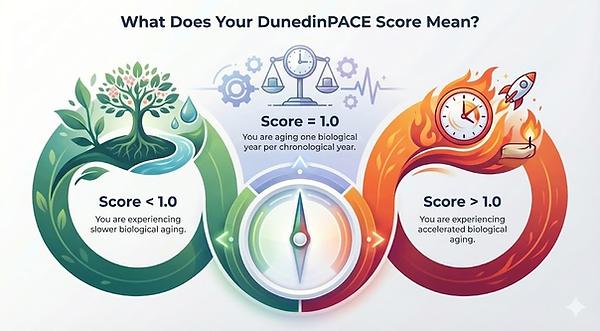
Most aging tests estimate your biological age, but DunedinPACE goes further: it measures the speed at which you're aging.
Developed from the landmark Dunedin Multidisciplinary Health & Development Study, this biomarker tracks biological changes across multiple systems over decades.
How DunedinPACE Works?
It produces a score:
-
1.0 = aging one biological year per chronological year
-
<1.0 = slow aging
-
>1.0 = accelerated aging
Unlike traditional age estimation, DunedinPACE reflects real-time biological processes such as:
-
Inflammation
-
Immune function
-
Cardiovascular integrity
-
Metabolic efficiency
-
Mitochondrial output
-
Cellular repair
-
Stress response
Why It Matters?
DunedinPACE is highly responsive to lifestyle changes. Research shows that improvements in diet, sleep, toxin exposure, stress patterns, and movement can shift the pace of aging meaningfully.
Your aging trajectory is not fixed. It is adjustable—sometimes surprisingly quickly.
Toxins That Hijack Your Epigenome
Certain chemicals—many found in everyday environments—alter how genes behave. These are known as epigenetic disruptors.
Below is a detailed list of the most common disruptors:
PFAS (“Forever Chemicals”)
Found in non-stick cookware, waterproof fabrics, food packaging, and some drinking water. Affects thyroid function, immune regulation, and liver gene expression.
Phthalates
Found in “fragrance,” air fresheners, vinyl, shampoos, and detergents. Disrupt hormone signaling pathways and reproductive gene expression.
Heavy Metals (Lead, Mercury, Cadmium)
Interfere with DNA methylation and increase oxidative stress.
BPA/BPS
Found in plastics, receipts, and canned food linings. Mimic hormones and alter metabolic and reproductive gene expression.
Pesticides
Glyphosate + organophosphates disrupt detoxification genes and gut microbiota.
Parabens
Used in cosmetics, lotions, and sunscreens. Alter estrogen-responsive gene pathways.
Flame Retardants (PBDEs)
Linked to thyroid disruption and neurodevelopmental gene changes.
Microplastics & Particulates
Trigger inflammatory gene activation across tissues.
Indoor Air Pollutants
From candles, sprays, cleaners, and building materials—impact respiratory gene expression.
These exposures accumulate. Reducing them reduces biological strain and improves epigenetic stability.
How Daily Choices Influence Gene Expression?
Your epigenome is exquisitely responsive to everyday inputs.
Gene activity is not random — it reflects the signals your body receives from your environment, behaviors, and internal chemistry.
Here’s how core lifestyle factors directly influence gene expression:
Stress → Inflammatory & Metabolic Gene Activation
Chronic stress elevates cortisol, which shifts methylation patterns linked to:
-
Inflammation
-
Immune dysregulation
-
Metabolic slowdown
-
Impaired detoxification
These changes can accumulate over time, altering how tissues respond to daily challenges.
Exercise → Mitochondrial Activation & Longevity Genes
Physical movement activates pathways such as AMPK and PGC-1α, which:
-
Increase mitochondrial number and efficiency
-
Improve cellular energy production
-
Reduce aging markers
-
Support antioxidant defenses
Even 15–20 minutes of walking can trigger beneficial epigenetic activity.
Sleep → DNA Repair & Hormonal Reset
Poor sleep is one of the most potent accelerators of biological aging. Within just a few nights, sleep disruption can alter:
-
Repair genes
-
Circadian rhythm genes
-
Immune-regulating genes
-
Metabolic genes
Sleep is an epigenetic master regulator.
Breathing Patterns → Nervous System Gene Signaling
Slow, deep breathing activates the parasympathetic nervous system, which:
-
Reduces cortisol
-
Down-regulates inflammatory genes
-
Improves vagal tone
-
Stabilizes metabolism
Breathing is chemistry.
Temperature Exposure → Hormetic Stress Signals
Short exposure to cold or heat stimulates genetic pathways related to:
-
Repair
-
Mitochondrial activity
-
Inflammation reduction
-
Improved metabolic flexibility
This is why practices like cold showers, sauna use, and natural outdoor exposure have measurable longevity benefits.
Microbiome → Immune & Hormonal Gene Expression
The gut microbiome communicates with immune cells and influences:
-
Mood-regulating gene pathways
-
Inflammation
-
Detoxification
-
Hormone activation
Fermented foods, fiber, and diverse plant intake shape microbial communities that, in turn, shape gene expression—especially when meals are built from a clean eating food list.
Stress, Trauma & Epigenetic Imprinting
Stress is not just emotional — it creates biological marks that influence gene behavior.
Chronic Stress
Chronic stress shifts methylation patterns in genes related to:
-
Inflammation
-
Anxiety and stress reactivity
-
Metabolic dysregulation
-
Immune suppression
These changes can persist unless actively countered.
Early-Life Trauma
Adverse childhood experiences have been shown to produce epigenetic signatures that influence:
-
Emotional regulation
-
Stress resilience
-
Long-term disease susceptibility
This does not mean trauma is destiny — but it does mean biology records it.
The Hopeful Side: Epigenetic Marks Are Reversible
Practices shown to improve stress-related epigenetic patterns include:
-
Meditation
-
Breathwork
-
Sleep optimization
-
Psychotherapy
-
Supportive relationships
-
Somatic practices
-
Daily movement
Your biology can be rewritten toward resilience.
Evidence-Based Ways to Improve Your Epigenetics
These are not fads — these are validated biological levers that affect gene expression.
A. Eat for Gene Signaling
Foods rich in polyphenols, methyl donors, antioxidants, and omega-3s influence genes involved in:
-
Inflammation
-
Detoxification
-
Mitochondrial repair
-
Methylation balance
Examples:
-
Organic berries
-
Leafy greens
-
Pastured eggs
-
Traceable seafood
-
Green tea
-
Herbs and spices
-
Cruciferous vegetables
-
Fermented foods
Nutrient density = epigenetic nourishment.
B. Reduce Toxic Burden
Lowering total chemical load benefits methylation, hormone balance, and detoxification.
High-impact swaps:
-
Fragrance-free detergent
-
Organic castile soap (like Dr. Bronner’s)
-
Stainless steel or cast Iron Instead of non-stick
-
Glass storage instead of plastic
-
Reverse osmosis water filters
-
Air purifiers or open-window ventilation
Every swap reduces biological friction.
C. Test Before Guessing
If you suspect exposure to toxins, testing is available through:
-
Blood
-
Urine
-
Hair
-
Stool
Brands like Quicksilver Scientific and functional medicine practitioners can identify:
-
Mercury
-
Lead
-
Mold toxins
-
Pesticides
-
Metabolic deficits
Personalized detoxification is more effective than blind supplementation.
D. Support Your Microbiome
Your gut microbes influence immunity, inflammation, and hormone expression.
Add:
-
Bubbies sauerkraut
-
Kimchi
-
Yogurt or Kefir
-
Pickles
-
Fiber-rich vegetables
-
Prebiotic foods (garlic, onions, leeks, bananas)
A healthy microbiome reduces unwanted gene activation.
E. Move Your Body Daily
Movement is one of the strongest epigenetic modulators.
Benefits include:
-
Increased mitochondrial gene expression
-
Reduced aging markers
-
Enhanced antioxidant pathways
-
Improved metabolic flexibility
Consistency > intensity.
F. Sleep Like Your Life Depends on It
Sleep regulates:
-
DNA repair
-
Glymphatic brain cleansing
-
Immune signaling
-
Hormonal resets
-
Detoxification processes
Sleep deprivation accelerates aging faster than many toxic exposures.
Why Children’s Epigenomes Are Most Vulnerable?
Children are not simply “small adults.” Their biological systems—neurological, hormonal, metabolic, immune—are in active development. This makes their epigenome far more plastic, meaning the signals they receive can create long-lasting patterns.
Critical Windows of Epigenetic Programming
-
In utero
-
Infancy
-
Early childhood
-
Puberty
During these periods, exposures can have amplified effects.
Common Early-Life Epigenetic Stressors
-
Pesticides in food
-
Heavy metals in water or old pipes
-
PFAS and plastics in baby products
-
Synthetic fragrances
-
Poor air quality
-
Maternal stress
-
Nutrient deficiencies
These exposures can influence later-life outcomes related to:
-
Asthma
-
Metabolic function
-
Mood
-
Immune development
-
Cognitive performance
This is why clean-living practices are not trends—they are protective measures that shape a child’s long-term biological resilience.
Understanding Epigenetics Empowers Us
Epigenetics is one of the most hopeful scientific discoveries of our time.
It tells us:
-
You can influence gene behavior.
-
You can slow biological aging.
-
You can reduce inflammation and metabolic strain.
-
You can support repair, resilience, and energy production.
-
You are not at the mercy of your genetics.
Family history is context—not destiny.
Even long-standing patterns, like stress-related epigenetic marks, can change with supportive inputs. The body is remarkably responsive when given the right signals.
Epigenetics reframes health from something that happens to you into something you can shape.
Longevity Science: How Lifestyle Rewrites Destiny
Across global Blue Zones—regions where people routinely live past 100—and in longevity research labs, certain behaviors repeatedly emerge as key drivers of healthy aging.
These behaviors align directly with positive epigenetic signaling:
Nutrient-Dense Whole Foods
Reduce inflammation, support methylation, nourish mitochondria.
Natural Daily Movement
Walking, lifting, stretching, gardening—simple, consistent activity.
Deep, Restorative Sleep
A cornerstone of cellular repair.
Clean Indoor and Outdoor Environments
Lower toxin load = less biological stress.
Community and Emotional Connection
Social belonging reduces stress-related gene activation.
Purpose and Meaning
Purpose-driven individuals exhibit lower biological age.
Nature Exposure
Fresh air, sunlight, and soil microbes all influence immune and metabolic gene pathways.
The future of longevity isn’t based on exotic interventions or expensive biohacks—
It is based on biological alignment.
Conclusion: You Are Not Your Genes — You Are Your Signals
Your genes hold potential, but your environment, choices, and behaviors determine expression.
Every day, you send molecular messages through:
-
The food you choose
-
The water you drink
-
The movement you practice
-
The products you bring into your home
-
The air you breathe
-
The thoughts you repeat
-
The stress you process
-
The sleep you prioritize
No one needs perfection—only intention.
Your biology is always listening, and it is never too late to give it better instructions.
Epigenetics empowers you to rewrite your health trajectory with every choice you make.